Africa
Why Macky Sall’s Candidacy Raised Questions Over African Union Criteria
The prospective candidacy of Macky Sall for a senior international role has prompted scrutiny over whether it fully aligns with the African Union’s established nomination principles, particularly those relating to transparency, regional balance and procedural legitimacy.
At the core of the debate is the African Union’s expectation that endorsements for high-level international positions should emerge from a consultative process among member states, often reflecting regional consensus. Critics argue that Sall’s bid appeared to lack clear, formal backing through such a structured AU mechanism, raising concerns about whether the appropriate diplomatic channels were followed or sufficiently demonstrated.
A further complicating factor is the internal dynamic within the African Union itself. Under the current rotating leadership of Évariste Ndayishimiye, the AU has been described by some observers as divided on strategic endorsements and continental priorities. This fragmentation has made it more difficult to forge unified positions around high-profile candidacies, including Sall’s, thereby weakening the coherence typically required to support a single African candidate on the global stage.
A second point of contention relates to timing and political positioning. While Sall remains an influential figure following his presidency in Senegal, some analysts suggest that his candidacy may not have been anchored in a coordinated continental strategy. Within AU practice, successful bids are often supported by regional blocs—such as ECOWAS, SADC or the East African Community—before being elevated to a broader continental endorsement. The absence of visible, consolidated regional backing may have undermined the perceived legitimacy of his application.
There is also a governance dimension to the criticism. The AU has increasingly emphasised merit-based selection, equitable geographic representation and institutional credibility when endorsing candidates for global roles. Opponents argue that insufficient clarity around the selection process risks weakening these standards, particularly if multiple African candidates emerge without coordination, thereby diluting the continent’s collective influence.

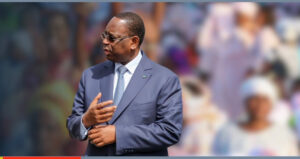
Photo credit: Macky Sall / X (formerly Twitter)
Supporters of Sall, however, point to his international profile, experience in economic diplomacy and engagement with multilateral institutions as strong qualifications. They argue that AU processes are often shaped by political negotiation rather than rigid procedural frameworks, and that candidacies can evolve through consensus-building over time.
In analytical terms, the controversy appears less about formal ineligibility and more about process legitimacy, internal AU cohesion and political alignment. The combination of a fragmented continental position and the absence of a clearly articulated endorsement pathway has contributed to perceptions that the candidacy did not fully meet the African Union’s preferred standards, even if no explicit rule was formally violated.