
Featured
Kente Festival: Bringing “UK-Ghana Connection” into Vibrancy!
Kente Festival: Bringing “UK-Ghana Connection” into Vibrancy!
The fever of the UK Kente Festival Gala in South East England, particularly Luton, transcended geographical boundaries as it brought together local authorities, distinguished Ghanaian royalty, and governmental ministers from Ghana. Councillor Maria Lovell MBE, a former Mayor and CEO of the Ghana Society UK, expressed that the Kente Festival serves as a bridge connecting the rich cultural heritage of Ghana with the diverse communities of Britain.
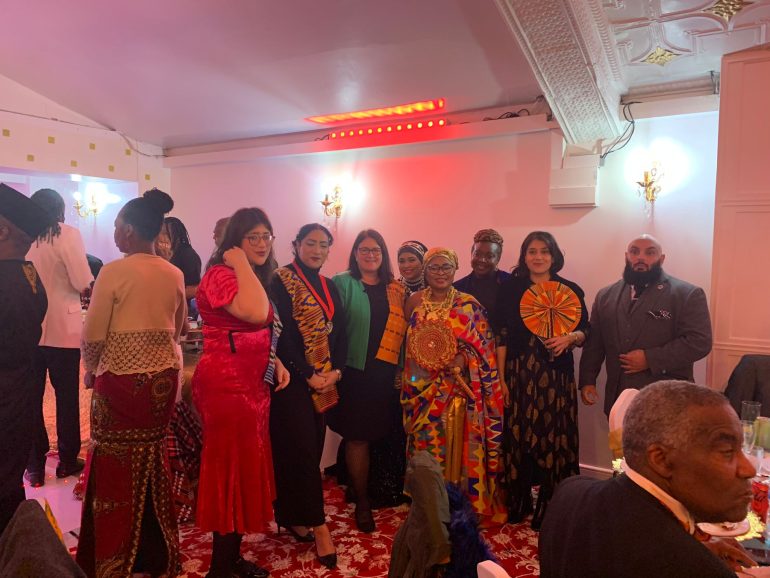
Among the dignitaries in attendance were Luton Mayor Yaqub Hanif, Deputy Mayor Zanib Raja, and Labour councillors Amy Nicholls, Charmaine Isles, Babatunde Ajisola, Fatima Begum, Jacqui Burnett, and Tahmina Saleem, collectively embodying the spirit of diversity that dominated the event.
Rachel Hopkins MP for Luton South also graced the occasion. Former Ghanaian minister Asamoah Boateng projected a future where British authorities would actively participate in the festival in Ghana.
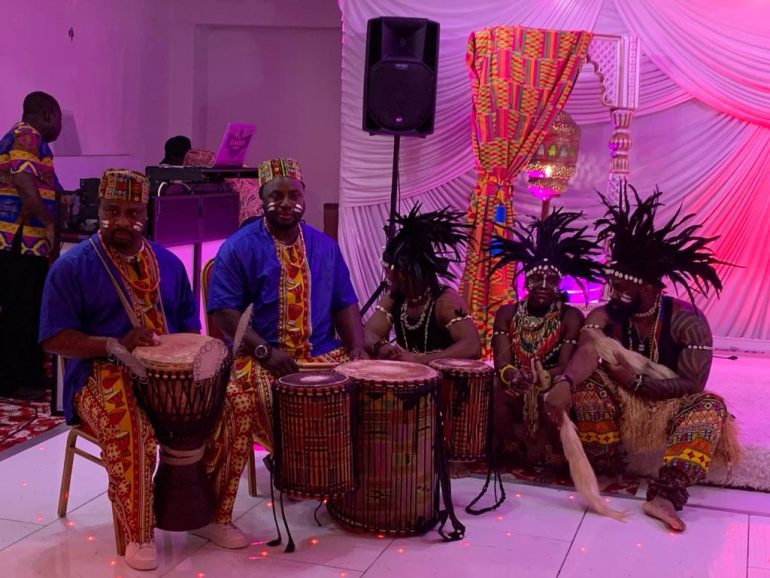
The gala, expertly hosted by the renowned Ghanaian broadcaster KGA, featured captivating performances by Ghanaian musicians, dancers, and artists. The event also facilitated networking opportunities, including an exhibition that added a layer of cultural depth to Kente’s values.
Originating during the 2021 Black History Month celebration in Luton, the Kente Festival has since become an annual fixture, taking place between October 26th and November 26th.
Its primary objective is to celebrate and promote Ghanaian cultural heritage, tourism, and community cohesion.
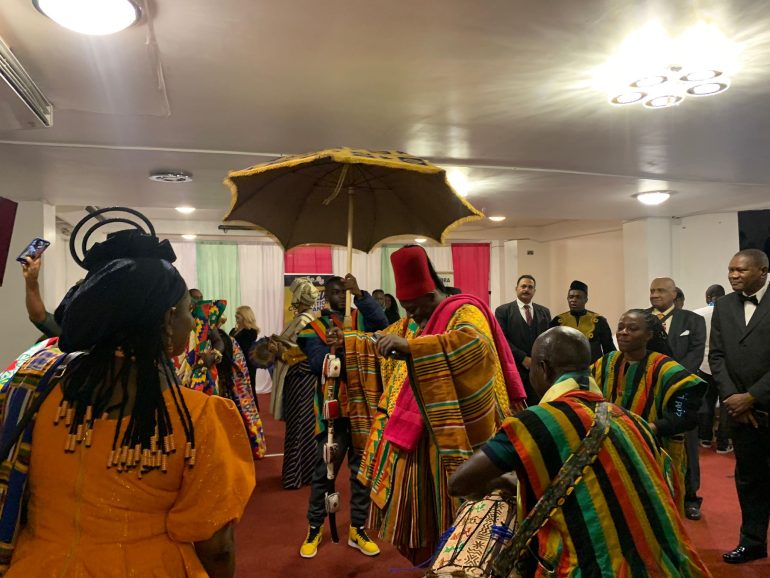
The historical significance of Kente fabric, which has been present in West Africa, particularly Ghana, since the 11th century, was underscored during the gala. Popularised by the King of the Ashanti, who selected skilled weavers from nearby towns and villages to travel and showcase their artistry in neighbouring kingdoms, Kente fabric stands as a testament to the enduring legacy of Ghanaian craftsmanship.
Africa
If Ebola Is Too Dangerous for America, It Is Too Dangerous for Kenya
Africa
DR Congo Faces Political Backlash Over US Deportees Agreement Amid Security and Governance Concerns
Africa
Benin: Finance Minister Romuald Wadagni Wins Presidency with Landslide Victory
Benin’s finance minister, Romuald Wadagni, has won the country’s presidential election with a commanding 94% of the vote, according to provisional results released by the electoral commission (CENA), after more than 90% of ballots were counted.
The result confirms a widely anticipated victory for Wadagni, 49, who stood as the candidate of the ruling alliance between the Progressive Union Renewal (UPR) and the Republican Bloc (BR). His campaign was strongly backed by outgoing president Patrice Talon, who is constitutionally barred from seeking a third term after completing two five-year mandates.
Wadagni’s ascent caps a decade in which he served as finance minister, overseeing sustained economic growth averaging above 6% annually. He has pledged continuity of that trajectory in a country often cited as one of West Africa’s more stable democracies, despite a failed coup attempt in December 2025.
His only challenger, Paul Hounkpe of the FCBE party, conceded defeat while counting was still under way. In a statement, he extended “republican congratulations” and called for respect for democratic norms.
CENA chair Sacca Lafia said the vote had been conducted peacefully. Civil society observers reported around one hundred incident alerts, including early openings of polling stations and cases where ballot boxes appeared already full at opening time.
The Economic Community of West African States (ECOWAS) observer mission described a “peaceful atmosphere” and “smooth running” of the vote.
About 7.9 million citizens were registered to vote, with turnout recorded at 58.75% nationally. Participation was significantly lower in the capital, Porto-Novo, where it fell to between 20% and 40% in some polling stations.
However, the election took place under conditions criticised by analysts, who argue that political space has narrowed during Talon’s presidency. The main opposition party, Les Démocrates, was excluded from the ballot after failing to secure parliamentary endorsements required under constitutional changes introduced last year.
Those reforms, which tie presidential eligibility to legislative backing, effectively blocked opposition leader Renaud Agbodjo from qualifying for the race, as his party holds no seats in the National Assembly.

Romuald Wadagni campaigning in Cotonou, Benin, last month. He has been declared the country’s new president according to provisional results. Credit: Charles Placide Tossou/Reuters (via The New York Times)


If Ebola Is Too Dangerous for America, It Is Too Dangerous for Kenya

AfCFTA Aims to Unite Africa’s Fragmented Markets Into a Single Trading Bloc
![President Denis Sassou Nguesso casts his vote at a polling station in Brazzaville during the Republic of Congo’s presidential election, 15 March 2026. [Congo Presidency/Handout via Reuters]](https://aukmedia.co.uk/wp-content/uploads/2026/04/DS-80x80.png)
Republic of Congo’s Denis Sassou Nguesso, 83, Secures Fifth Term in Power

Zia Yusuf from Reform UK Proposes Blocking Visas for Citizens of Countries Pursuing Slavery Reparations

ECOWAS at 50: President Obasanjo Warns of Declining Trust and Growing Divisions at Oxford Forum


