
Featured
Challenges Persist in Media Access for Black people – An Interview with Evadney Campbell, MBE.
Born in Jamaica and Raised in England: The Journey of Evadney Campbell
Media access remains a persistent challenge for Black communities in England. Despite advancements in digital platforms, Black voices often face systemic barriers in visibility, representation, and funding within mainstream media. Opportunities to tell their own stories — with accuracy, depth, and ownership — remain limited. This makes independent platforms and strategic media partnerships not just important, but essential.
Evadney Campbell’s life journey from Jamaica to England at the age of 11 was a study in contrasts. Her early memories of a joyful childhood in Jamaica were juxtaposed with the socio-realities that she faced in England. It was during her adulthood that she became aware of race relations, a reality that not only shaped her determination to succeed but also fueled her commitment to empowering others.
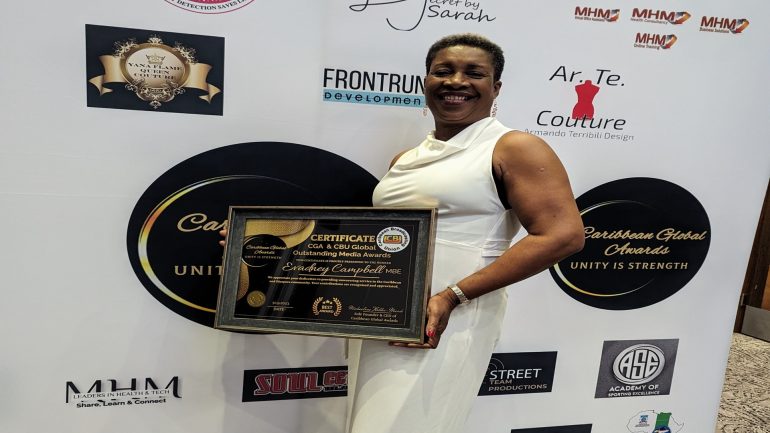
With a remarkable career in journalism at the BBC, Evadney Campbell had the privilege of exploring the world of academia. “My journey took an interesting turn when I was introduced to the University of Bedfordshire by a former colleague of mine who was also a lecturer at the same institution. At that time, I was already a lecturer at the London College of Communications, a part of UCL…”, she said.
During her time as a BBC journalist, she passionately advocated for greater diversity and inclusion, particularly in academic settings. “I felt the need for inclusion at the University of Bedfordshire, where most home students are from low-income families.”
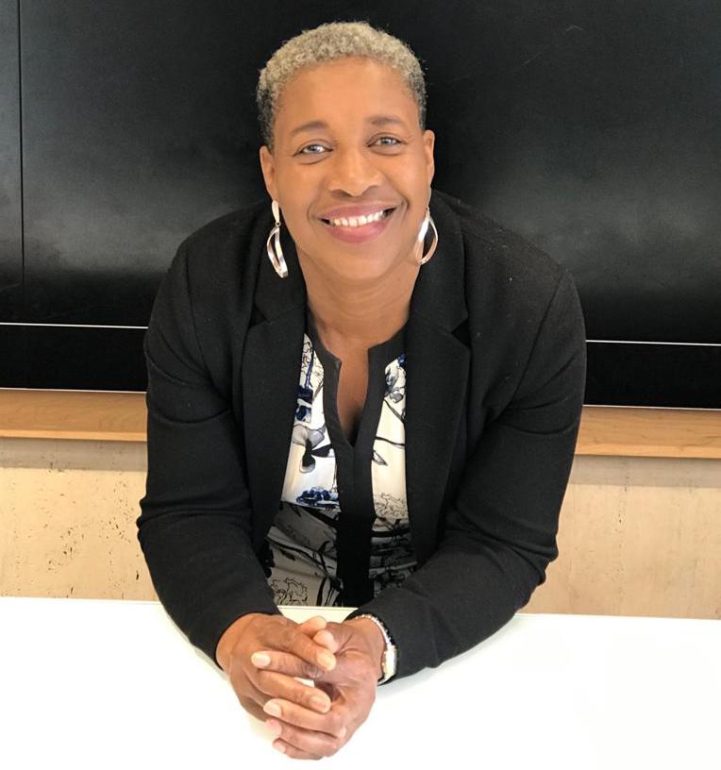
Photo of Evadney Campbell
The Influence of Personal Connections and the Pursuit of Opportunities
Evadney Campbell recognises the profound impact of personal connections and influences in accessing opportunities. As an inspirational figure, Evadney advocates for Black people’s representation within the media industry.
“I’m getting into a lot of positions and opportunities from the people that I know, which is a real shame for us as Black people and as minority individuals. Unless you know people who have influence or access, opportunities remain limited “, she expresses. “I’m grateful to those who help me during my journey…”, she added.
The Legacy of the Windrush Generation: A Continuing Struggle
As a descendant of the Windrush generation, Evadney Campbell passionately believes in the importance of understanding the experiences of those who arrived in 1948 to help rebuild the country. She explains, “The struggles of this generation and their descendants are still prevalent, particularly concerning racism and discrimination.” While some aspects of these challenges have evolved, issues related to discrimination persist.
A New Dawn: Hope in the Younger Generation
In the face of persistent challenges, she finds hope in the younger generation. “…with the wealth of available resources currently, aspiring young journalists can make a huge difference, overcome barriers and make their mark in the media industry…”, indicated Evadney.
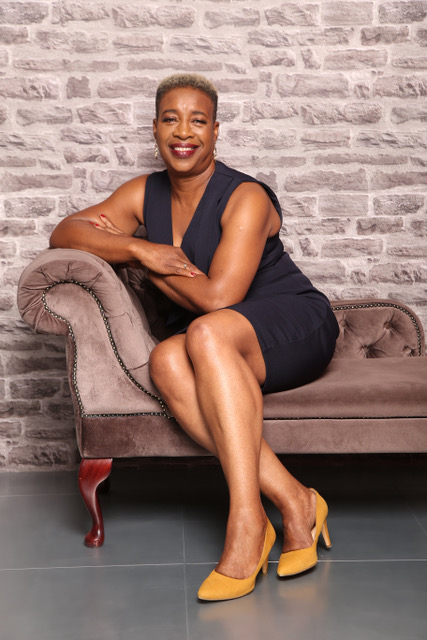
A New Dawn: Hope in the Younger Generation
In the face of persistent challenges, she finds hope in the younger generation. “…with the wealth of available resources currently, aspiring young journalists can make a huge difference, overcome barriers and make their mark in the media industry…”, indicated Evadney.
Essential Skills for Aspiring Media Professionals
Evadney Campbell’s status as an award-winning media trainer and owner of Shiloh PR https://shilohpr.com/ underscores her expertise in the field. She imparts valuable insights into the essential skills that aspiring media professionals should develop. She places great emphasis on curiosity and an interest in people, noting that everyone has a unique story worth telling. Furthermore, Campbell underlines the significance of integrity, stating, “I respect people’s stories and believe in the importance of integrity. These are essential qualities that every aspiring journalist should embody.”
Africa
If Ebola Is Too Dangerous for America, It Is Too Dangerous for Kenya
Africa
DR Congo Faces Political Backlash Over US Deportees Agreement Amid Security and Governance Concerns
Africa
Benin: Finance Minister Romuald Wadagni Wins Presidency with Landslide Victory
Benin’s finance minister, Romuald Wadagni, has won the country’s presidential election with a commanding 94% of the vote, according to provisional results released by the electoral commission (CENA), after more than 90% of ballots were counted.
The result confirms a widely anticipated victory for Wadagni, 49, who stood as the candidate of the ruling alliance between the Progressive Union Renewal (UPR) and the Republican Bloc (BR). His campaign was strongly backed by outgoing president Patrice Talon, who is constitutionally barred from seeking a third term after completing two five-year mandates.
Wadagni’s ascent caps a decade in which he served as finance minister, overseeing sustained economic growth averaging above 6% annually. He has pledged continuity of that trajectory in a country often cited as one of West Africa’s more stable democracies, despite a failed coup attempt in December 2025.
His only challenger, Paul Hounkpe of the FCBE party, conceded defeat while counting was still under way. In a statement, he extended “republican congratulations” and called for respect for democratic norms.
CENA chair Sacca Lafia said the vote had been conducted peacefully. Civil society observers reported around one hundred incident alerts, including early openings of polling stations and cases where ballot boxes appeared already full at opening time.
The Economic Community of West African States (ECOWAS) observer mission described a “peaceful atmosphere” and “smooth running” of the vote.
About 7.9 million citizens were registered to vote, with turnout recorded at 58.75% nationally. Participation was significantly lower in the capital, Porto-Novo, where it fell to between 20% and 40% in some polling stations.
However, the election took place under conditions criticised by analysts, who argue that political space has narrowed during Talon’s presidency. The main opposition party, Les Démocrates, was excluded from the ballot after failing to secure parliamentary endorsements required under constitutional changes introduced last year.
Those reforms, which tie presidential eligibility to legislative backing, effectively blocked opposition leader Renaud Agbodjo from qualifying for the race, as his party holds no seats in the National Assembly.
Romuald Wadagni campaigning in Cotonou, Benin, last month. He has been declared the country’s new president according to provisional results. Credit: Charles Placide Tossou/Reuters (via The New York Times)


If Ebola Is Too Dangerous for America, It Is Too Dangerous for Kenya

AfCFTA Aims to Unite Africa’s Fragmented Markets Into a Single Trading Bloc
![President Denis Sassou Nguesso casts his vote at a polling station in Brazzaville during the Republic of Congo’s presidential election, 15 March 2026. [Congo Presidency/Handout via Reuters]](https://aukmedia.co.uk/wp-content/uploads/2026/04/DS-80x80.png)
Republic of Congo’s Denis Sassou Nguesso, 83, Secures Fifth Term in Power

Zia Yusuf from Reform UK Proposes Blocking Visas for Citizens of Countries Pursuing Slavery Reparations

ECOWAS at 50: President Obasanjo Warns of Declining Trust and Growing Divisions at Oxford Forum


