United Kingdom
Can Recent Anti-Immigration Protests Impact the British Sense of Hospitality?
Can recent anti-immigration protests impact the British sense of hospitality?
The recent riots in England and Northern Ireland, driven by far-right movements, have sparked deep concerns and uncertainty among black British and other communities. As the nation grapples with these troubling events, how these developments affect community cohesion has become increasingly pressing.
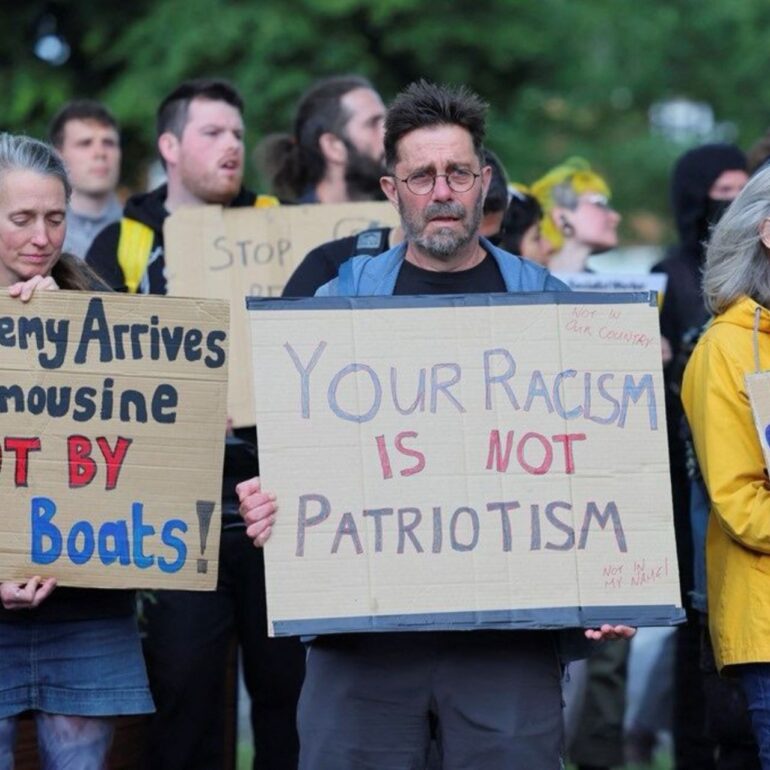
Image Source: Linkedin @YemiJackson CEO & Founder
During the unrest, a noticeable shift in the atmosphere was observed within Black and Asian communities in the south-east of England, particularly in Luton, renowned for its rich and diverse ethnic makeup. Often seen as opportunities for cultural celebration and community bonding, some of these events or outdoor gatherings were suddenly deemed too risky due to the potential for violence and unrest. Local church leaders provided safety tips and advised to call Bedfordshire Police if necessary.
Despite local authorities safeguarding all communities, warning of possible further unrest due to anti-immigrant and racist views, communities remained on guard.
This atmosphere of caution and fear was further intensified by a shocking incident in Middlesbrough, where Brendan Nwabichie, a Nigerian healthcare assistant, had his car set on fire outside his flat. This act was a reminder that the Black community was a target.
In areas like Luton, which has long been known for its ethnic diversity and multiculturalism, these riots have tested the strength of unity, solidarity and community cohesion.
Leaders stressed that while it is important to remain cautious, it is equally vital to continue fostering a sense of belonging and mutual support within the community.
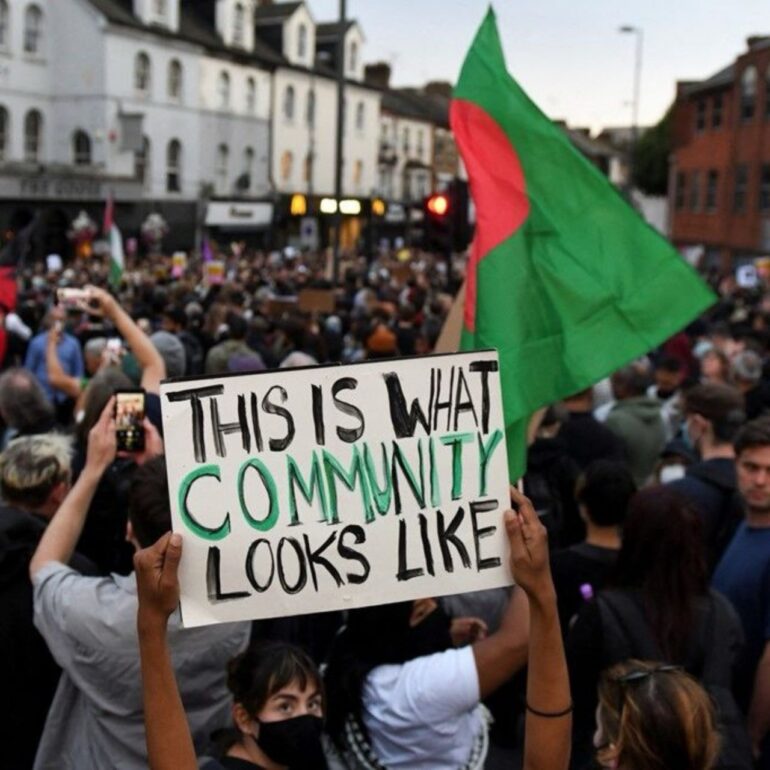
Image Source: LinkedIn @YemiJackson CEO & Founder
AUKRADIO reached out to representatives from different Black British communities, including those of Nigerian, Congolese, and Ghanaian descent.
“We took to social media and chat groups to advise Congolese on how to stay safe…We even urged families to remain indoors and instructed parents to keep their children away from large gatherings, and sports activities…particularly in public spaces where tensions might escalate”, said Raoul Pita, a British-Congolese-born citizen and Founder of Protect Project Charity based in Luton.
The urgency of urging their members to stay vigilant mounted as tension collided with the sense of community and solidarity, fueling fear.
However, for many. These incidents have undoubtedly impacted the way Black British communities perceive community cohesion. Some highlighted that the events have highlighted the fragility of the progress made in fostering inclusive and harmonious communities. For others, the fear of violence and the need for increased vigilance have, in some cases, led to a sense of isolation and distrust, particularly towards those who may hold far-right views.
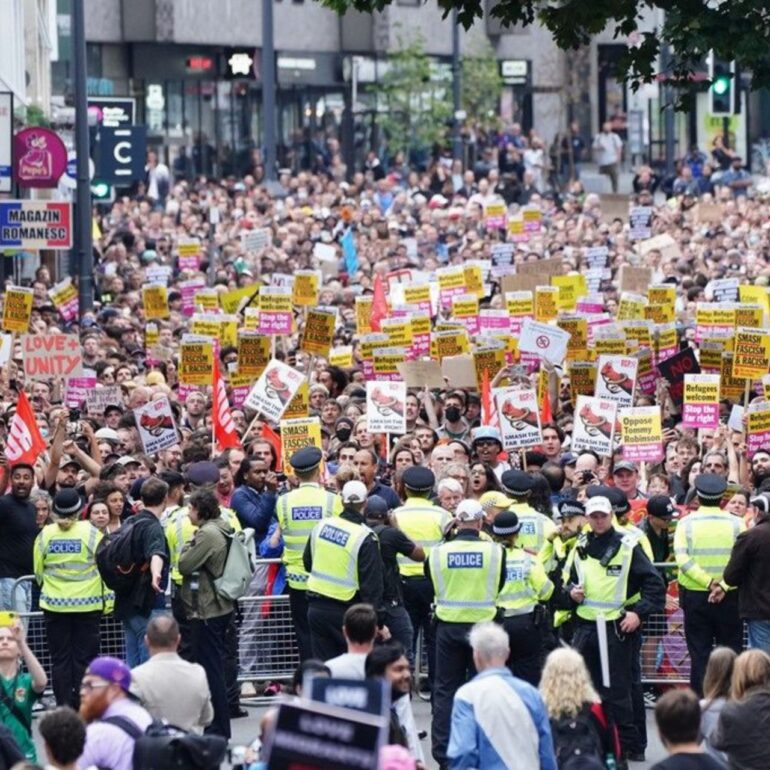
Image Source: Linkedin- @YemiJackson CEO & Founder
Many Afro centrist are using this moment as an opportunity to strengthen their ties, not just within their ethnic groups, but also with other communities facing similar challenges. According to Raoul Pita, “Grassroots organisations and community groups are playing a crucial role in addressing the underlying issues of racism and social inequality. Most of us are organising forums, workshops, and discussions aimed at strengthening community cohesion and addressing the issues brought to the forefront by the recent unrest.”



Africa
Burkina Faso Dissolves NGOs in Push for State Sovereignty, Said Ibrahim Traore Amid Rising tensions with civil society
Africa
DR Congo Faces Political Backlash Over US Deportees Agreement Amid Security and Governance Concerns
Africa
Zia Yusuf from Reform UK Proposes Blocking Visas for Citizens of Countries Pursuing Slavery Reparations
Zia Yusuf, Reform UK’s home affairs spokesperson, has announced plans to deny visas to citizens of any country pursuing compensation for Britain’s historical role in the transatlantic slave trade, a move that has drawn international attention.
He described reparations claims as “insulting,” noting that 3.8 million visas have been issued over the past 20 years to nationals from countries making such demands.
The transatlantic slave trade, conducted over four centuries by seven European powers including the UK, forcibly transported more than 15 million Africans. Scholars link the wealth generated from slavery to the industrial rise of the West, a legacy that continues to shape global economic and social disparities.
Last month, the UN recognised the transatlantic slave trade as the “gravest crime against humanity” and called for reparations as a step toward remedying historical injustices. The resolution, proposed by Ghana’s President John Dramani Mahama and endorsed by the African Union and Caricom (Caribbean Community), was abstained by the UK and EU members, while the US, Israel and Argentina voted against it.
Yusuf argued that Britain had made “huge sacrifices” by being the first major power to abolish slavery and enforce its prohibition, insisting that the UK would no longer tolerate being “ridiculed on the world stage.” He added that countries pressing for reparations were attempting to “use history as a weapon to drain our treasury” and stressed that Reform UK would also cut international aid to nations making such claims.
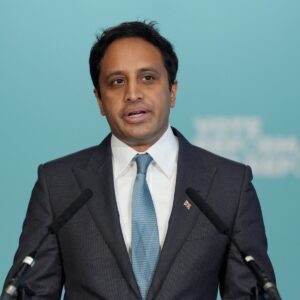
Yusuf Zia, UK Reform Home Affairs Spokesman, appears in Picture @Ghana Chronicles X’s account.


If Ebola Is Too Dangerous for America, It Is Too Dangerous for Kenya

AfCFTA Aims to Unite Africa’s Fragmented Markets Into a Single Trading Bloc
![President Denis Sassou Nguesso casts his vote at a polling station in Brazzaville during the Republic of Congo’s presidential election, 15 March 2026. [Congo Presidency/Handout via Reuters]](https://aukmedia.co.uk/wp-content/uploads/2026/04/DS-80x80.png)
Republic of Congo’s Denis Sassou Nguesso, 83, Secures Fifth Term in Power

ECOWAS at 50: President Obasanjo Warns of Declining Trust and Growing Divisions at Oxford Forum

Why Are More Black Britons Applying to Oxford University?


