
Featured
Celebrating Nigeria’s Independence: A Vibrant Cultural Exhibition in South East England.
South East of England, came alive with the spirit of unity and celebration as the Nigeria Bedfordshire Community commemorated 63 years of independence from its former British colonial rule. The event, which took place on September 30, 2023, at Futures House in Marsh Farm, saw a delightful blend of local authorities, businesses, exhibitors representing diverse communities, cultural showcases, enlightening talks, and invaluable networking opportunities.

The celebration, which extended through Independence Day on October 1st, highlighted the warm-hearted and inclusive community spirit of South East England, particularly in Luton.. On this special day, a “Food Bank Drive” unfolded at Luton St George’s Square, offering free, nutritionally balanced, and culturally appropriate food to the local communities, symbolising the essence of togetherness and giving back.
At Futures House, the event provided a platform for Luton’s residents to converge and rejoice in the rich tapestry of cultures that make up this remarkable town. Attendees had the chance to immerse themselves in the vibrant history and traditions of Nigeria, savouring the exquisite flavours of its traditional cuisine, and being enthralled by live music and mesmerising dance performances.
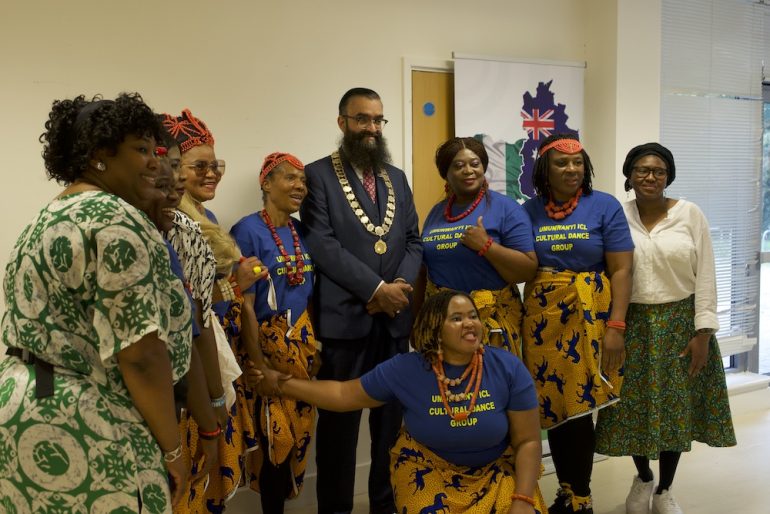
Babatunde Ajisola, a dedicated Luton Labour Councillor and Chair of Nigeria Bedfordshire Community, highlighted the significance of this gathering. He expressed, “This event is an opportunity for us to reiterate our commitment to being an integral part of the Luton community. As Nigerians residing in Bedfordshire, we take immense pride in embracing and upholding British values while celebrating our cultural heritage.”
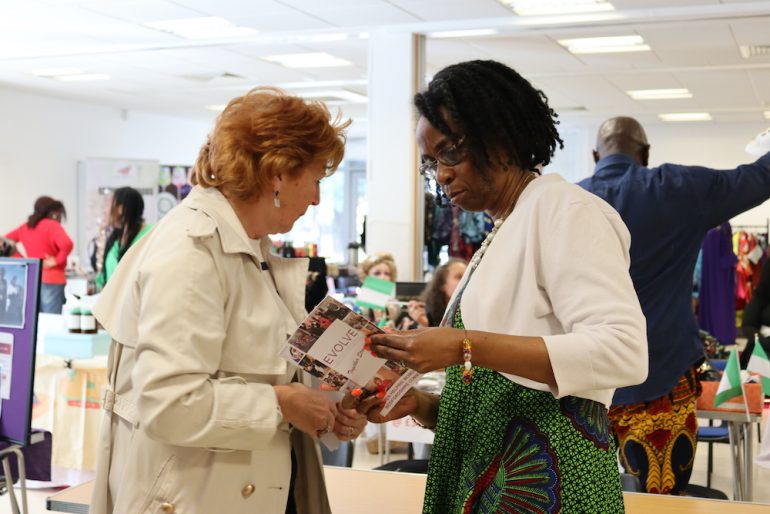
This celebration was not just a reflection of Nigeria’s rich history and culture but also a testament to the unifying power of community spirit in Luton. The event underscored the idea that, in Luton, cultural diversity is not merely embraced; it is celebrated with open arms, highlighting the strength of unity that prevails in this vibrant and inclusive community.










Africa
If Ebola Is Too Dangerous for America, It Is Too Dangerous for Kenya
Africa
DR Congo Faces Political Backlash Over US Deportees Agreement Amid Security and Governance Concerns
Africa
Benin: Finance Minister Romuald Wadagni Wins Presidency with Landslide Victory
Benin’s finance minister, Romuald Wadagni, has won the country’s presidential election with a commanding 94% of the vote, according to provisional results released by the electoral commission (CENA), after more than 90% of ballots were counted.
The result confirms a widely anticipated victory for Wadagni, 49, who stood as the candidate of the ruling alliance between the Progressive Union Renewal (UPR) and the Republican Bloc (BR). His campaign was strongly backed by outgoing president Patrice Talon, who is constitutionally barred from seeking a third term after completing two five-year mandates.
Wadagni’s ascent caps a decade in which he served as finance minister, overseeing sustained economic growth averaging above 6% annually. He has pledged continuity of that trajectory in a country often cited as one of West Africa’s more stable democracies, despite a failed coup attempt in December 2025.
His only challenger, Paul Hounkpe of the FCBE party, conceded defeat while counting was still under way. In a statement, he extended “republican congratulations” and called for respect for democratic norms.
CENA chair Sacca Lafia said the vote had been conducted peacefully. Civil society observers reported around one hundred incident alerts, including early openings of polling stations and cases where ballot boxes appeared already full at opening time.
The Economic Community of West African States (ECOWAS) observer mission described a “peaceful atmosphere” and “smooth running” of the vote.
About 7.9 million citizens were registered to vote, with turnout recorded at 58.75% nationally. Participation was significantly lower in the capital, Porto-Novo, where it fell to between 20% and 40% in some polling stations.
However, the election took place under conditions criticised by analysts, who argue that political space has narrowed during Talon’s presidency. The main opposition party, Les Démocrates, was excluded from the ballot after failing to secure parliamentary endorsements required under constitutional changes introduced last year.
Those reforms, which tie presidential eligibility to legislative backing, effectively blocked opposition leader Renaud Agbodjo from qualifying for the race, as his party holds no seats in the National Assembly.

Romuald Wadagni campaigning in Cotonou, Benin, last month. He has been declared the country’s new president according to provisional results. Credit: Charles Placide Tossou/Reuters (via The New York Times)


If Ebola Is Too Dangerous for America, It Is Too Dangerous for Kenya

AfCFTA Aims to Unite Africa’s Fragmented Markets Into a Single Trading Bloc
![President Denis Sassou Nguesso casts his vote at a polling station in Brazzaville during the Republic of Congo’s presidential election, 15 March 2026. [Congo Presidency/Handout via Reuters]](https://aukmedia.co.uk/wp-content/uploads/2026/04/DS-80x80.png)
Republic of Congo’s Denis Sassou Nguesso, 83, Secures Fifth Term in Power

Zia Yusuf from Reform UK Proposes Blocking Visas for Citizens of Countries Pursuing Slavery Reparations

ECOWAS at 50: President Obasanjo Warns of Declining Trust and Growing Divisions at Oxford Forum


